The U.S. Food and Drug Administration (FDA) has approved centanafadine, a once-daily extended-release capsule, for the treatment of attention-deficit/hyperactivity disorder (ADHD) in in adults and pediatric patients aged 6 years and older weighing at least 20kg. Centanafadine is the first approved norepinephrine, dopamine, and serotonin reuptake inhibitor (NDSRI) for ADHD.
Centanafadine is a novel, nonstimulant treatment option that works by inhibiting the reuptake of norepinephrine, dopamine, and serotonin. Otsuka has reported that clinical and preclinical data suggest centanafadine has a low potential for abuse and dependence, providing an additional therapeutic option for patients living with ADHD.
The approval was supported by a comprehensive clinical development program that included four pivotal Phase 3 trials evaluating the efficacy and safety of centanafadine in pediatric and adult patients with ADHD. In these studies, centanafadine demonstrated statistically significant improvements in ADHD symptoms compared with placebo, as measured by the ADHD Rating Scale-5 (ADHD-RS-5) in children and adolescents and the Adult ADHD Investigator Symptom Rating Scale (AISRS) in adults.
Across the clinical program, centanafadine was generally well tolerated. The most commonly reported adverse events in children and adolescents included decreased appetite, nausea, rash, fatigue, abdominal pain, and somnolence, while decreased appetite and headache were among the most frequently reported adverse events in adults.
Mechanism of Action
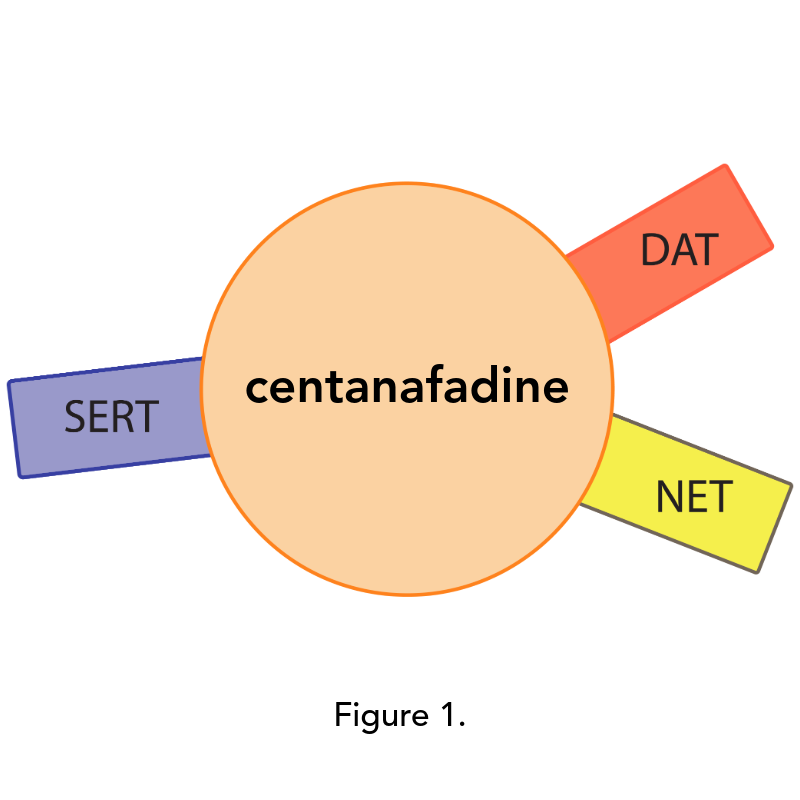
Centanafadine (Figure 1.) is a first-in-class norepinephrine, dopamine, and serotonin reuptake inhibitor (NDSRI). By increasing synaptic availability of norepinephrine and dopamine (key neurotransmitters involved in attention and executive function), while also modulating serotonergic tone (key to emotional regulation), centanafadine may have widespread benefit for all ADHD symptoms.
– Inhibits norepinephrine reuptake
– Inhibits dopamine reuptake
– Inhibits serotonin reuptake
– Modulates monoaminergic neurotransmission associated with attention, impulse control, and behavioral regulation
ADHD is a chronic neurodevelopmental disorder characterized primarily by impairments in attention, hyperactivity, and impulsivity. It affects approximately 7 million children in the United States and an estimated 15.5 million U.S. adults.
References:
Matuskey D et al. J Psychopharmacol. 2022 Dec 14;37(2):164–171.
Matuskey D et al. J Psychopharmacol. 2023 Feb;37(2):164-171.
Otsuka Pharmaceutical Co., Ltd. Otsuka Announces FDA Acceptance and Priority Review of New Drug Application for Centanafadine for the Treatment of ADHD in Children, Adolescents, and Adults. January 27, 2026. https://www.otsuka-us.com/news/otsuka-announces-positive-phase-3b-results-centanafadine-adults-adhd-and-comorbid-anxiety
Otsuka Pharmaceutical Co., Ltd. Otsuka Pharmaceutical Submits New Drug Application to U.S. FDA for Centanafadine for the Treatment of ADHD in Children, Adolescents, and Adults. November 25, 2025. https://www.drugs.com/nda/centanafadine_260127.html